

WeAre360 Media
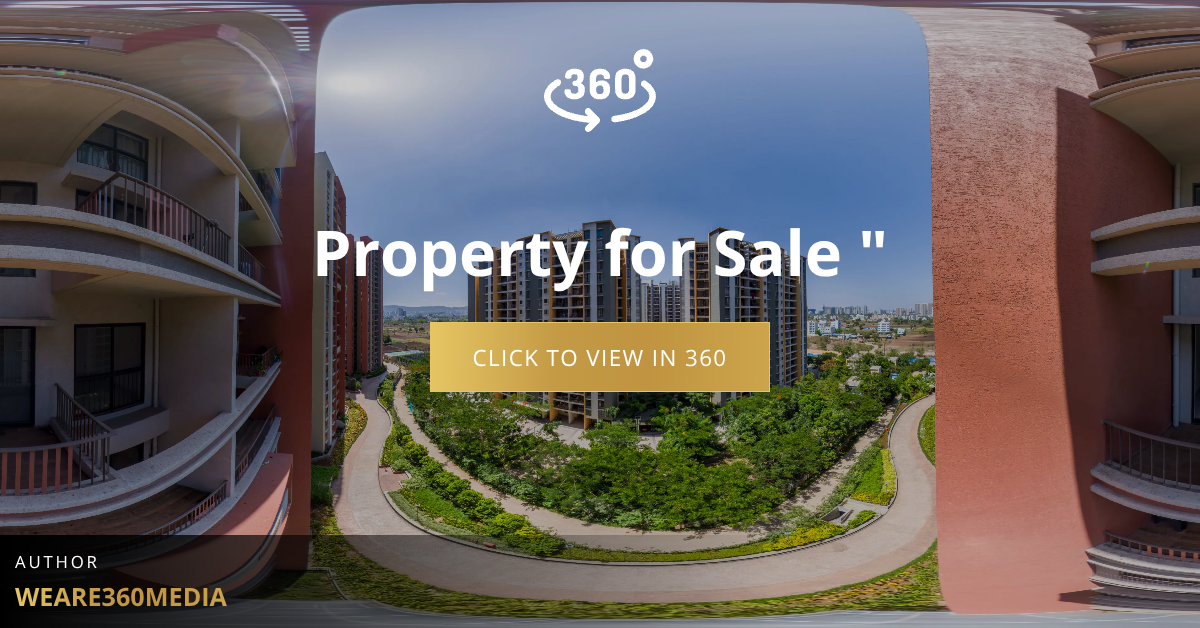
Sukhwani Panorama, Pune, MH '%3e%3ccircle r='20' fill='%23008'/%3e%3ccircle r='17.5' fill='%23fff'/%3e%3ccircle r='3.5' fill='%23008'/%3e%3cg id='d'%3e%3cg id='c'%3e%3cg id='b'%3e%3cg id='a' fill='%23008'%3e%3ccircle r='.875' transform='rotate(7.5 -8.75 133.5)'/%3e%3cpath d='M0 17.5.6 7 0 2l-.6 5L0 17.5z'/%3e%3c/g%3e%3cuse xlink:href='%23a' transform='rotate(15)'/%3e%3c/g%3e%3cuse xlink:href='%23b' transform='rotate(30)'/%3e%3c/g%3e%3cuse xlink:href='%23c' transform='rotate(60)'/%3e%3c/g%3e%3cuse xlink:href='%23d' transform='rotate(120)'/%3e%3cuse xlink:href='%23d' transform='rotate(-120)'/%3e%3c/g%3e%3c/svg%3e)
WeAre360 Media is a premier immersive technology agency delivering high-fidelity 360° Virtual Tours and Professional Digital Assets across India. We empower businesses in Hospitality, Retail, Manufacturing, and Education to bridge the gap between digital discovery and physical reality.
By transforming standard online listings into interactive, 24/7 walkthroughs, we significantly boost customer confidence and local search visibility on Google Maps. Our mission is to turn passive viewers into active visitors through cutting-edge, white-labeled immersive media.
Don’t just show your space. Let them experience it.
🌐 weare360.media | ✉️ info@weare360.media | 📞 +91 8055-000-360
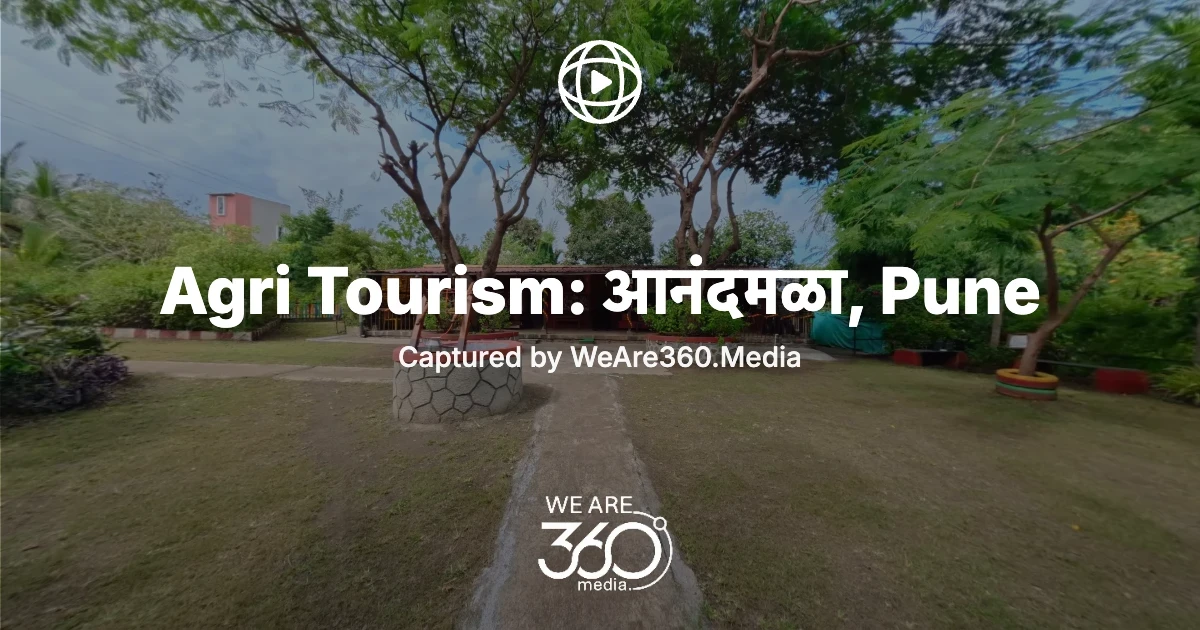
आनंदमळा: Agri Tourism, Pune
Tourism is evolving, and Anandmala Agri Tourism is leading the way by embracing digital transparency. Our latest project at WeAre360 Media uses the Panoee platform to provide a full-scale virtual walkthrough of this beautiful agri-tourism destination. For businesses in the hospitality and travel sectors, these tours are no longer a luxury—they are an essential tool for building guest trust and showcasing unique property features.
- 21
- 0
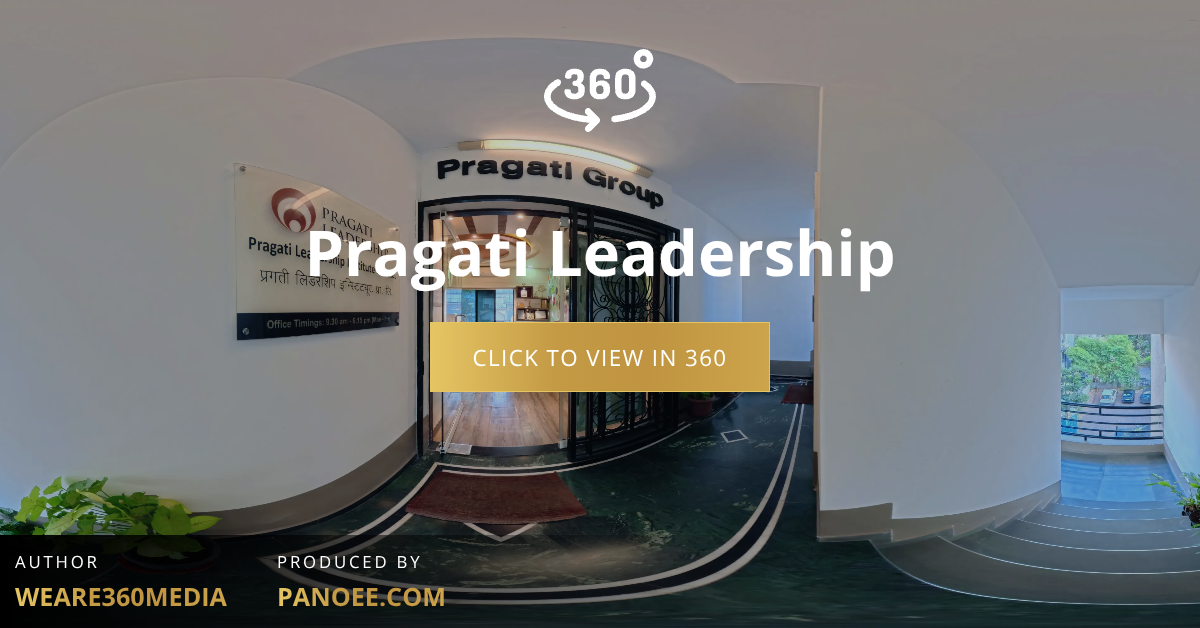
Pragati Leadership
Pragati Leadership is a Pune-based, global leadership development firm founded in 1988. They specialize in transforming organizations by focusing on wholesome leadership, which balances the head (strategy), heart (people), and hands (execution).
Their services include customized training, executive coaching, and organizational development interventions designed to foster high-performance teams and sustainable growth. They emphasize the Quadruple Bottom Line (Purpose, People, Planet, Profit). Pragati helps leaders achieve breakthrough business results by realizing their full potential and inspiring positive, lasting change within their organizations.
- 15
- 0
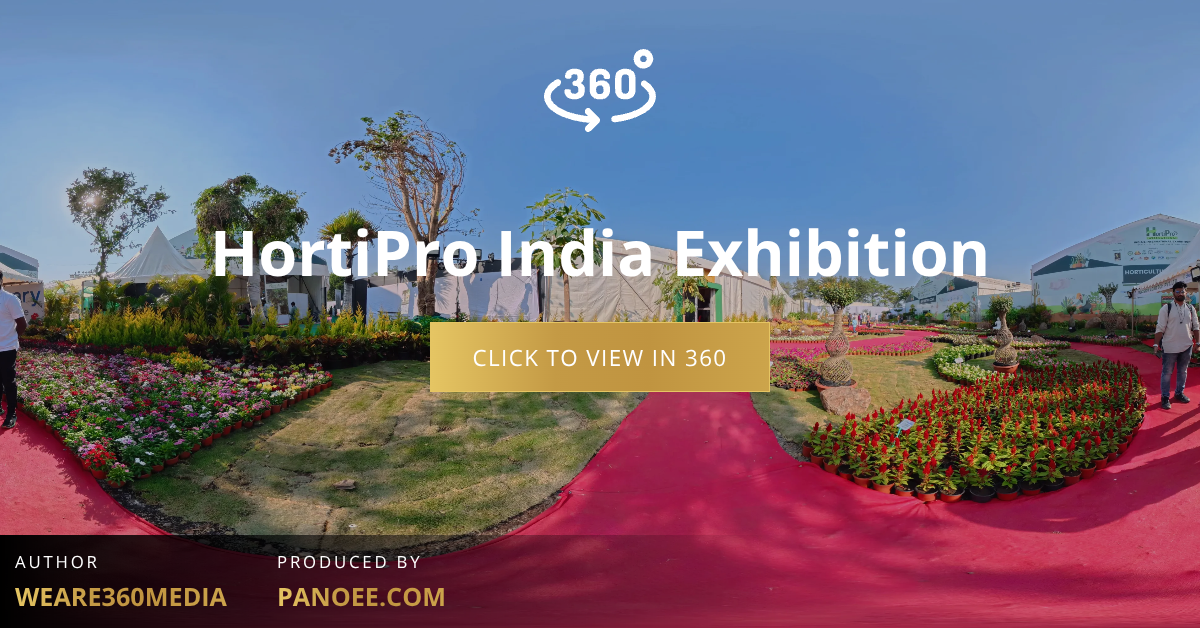
HortiPro India Exhibition
Horticulture Landscaping Designed by Precision India Unit.
HortiPro India Exhibition, Pune
- 6
- 0
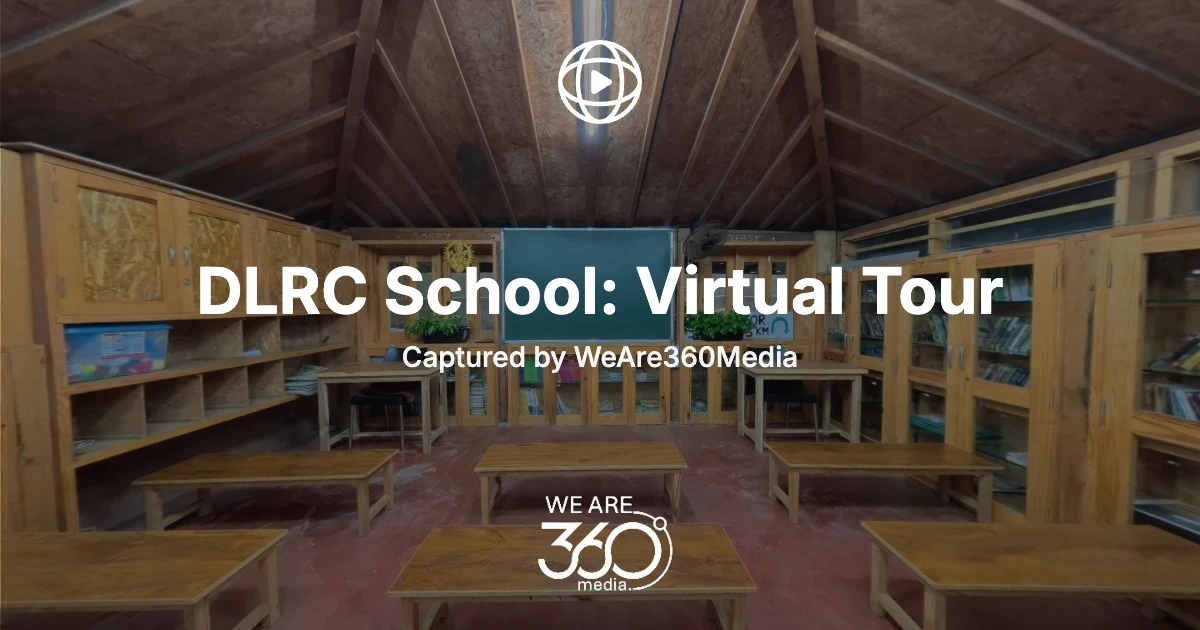
DLRC: The Learning Farm, Pune
Experience the DLRC (Drive Learning Resource Centre) campus like never before through this immersive virtual tour, expertly captured by WeAre360 Media using the Panoee platform. This interactive journey invites you to explore the heart of DLRC’s unconventional and vibrant learning environment in Pune, from its open-air collaborative spaces to its specialized labs. With high-definition 360° panoramas and seamless navigation, the tour mirrors the school’s philosophy of transparency and exploration, allowing prospective parents, students, and educators to walk through the greenery-filled campus from anywhere in the world.
Key Features of the Tour
360° Visibility: Every corner of the DLRC campus is visible in stunning detail.
Interactive Hotspots: Clickable elements that provide deeper insights into the school's unique pedagogy.
Mobile-Friendly Design: Optimized by WeAre360 Media for a smooth experience on any device.
- 22
- 0
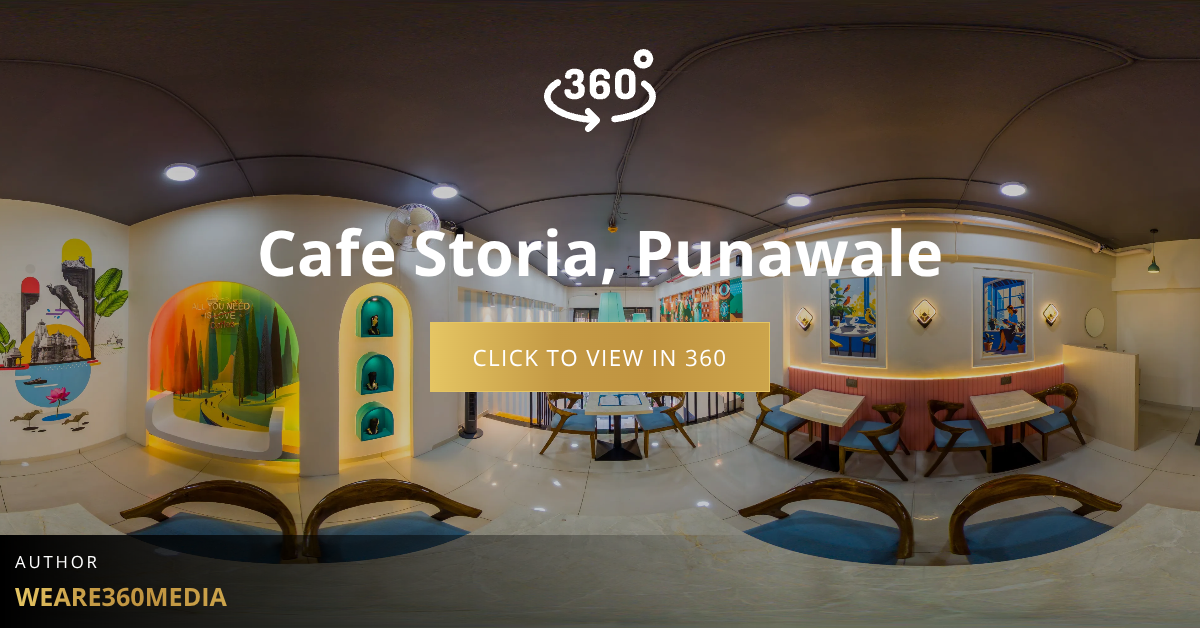
Cafe Storia, Punawale
Cafe Storia, Punawale
- 7
- 0
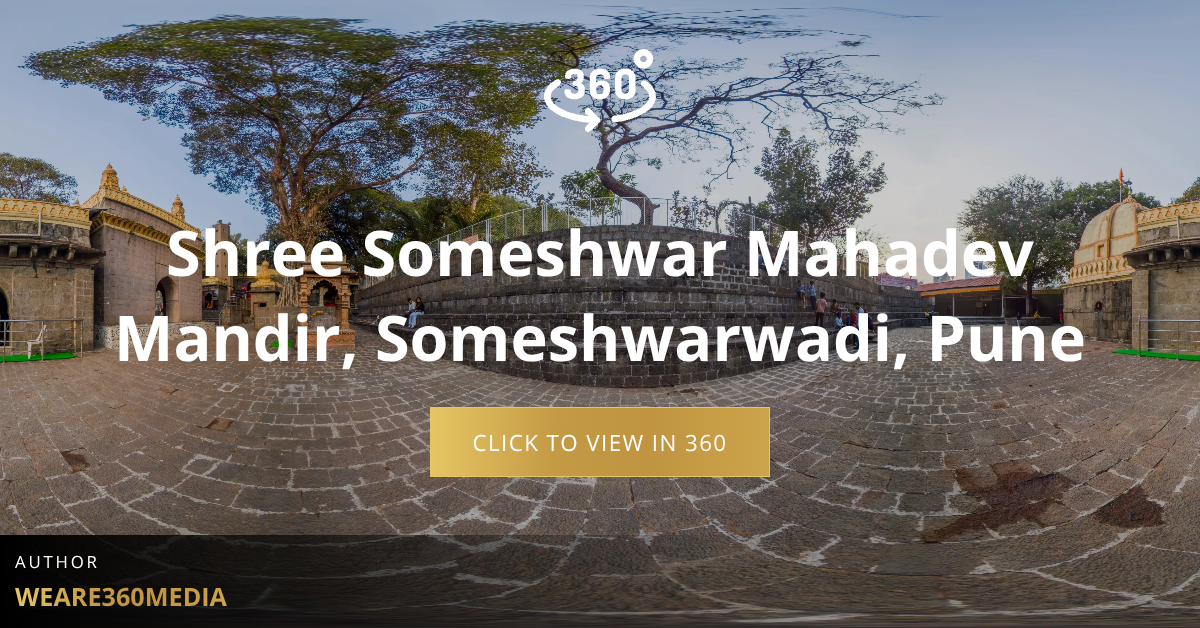
Shree Someshwar Mahadev Mandir, Someshwarwadi, Pune
The temple is a stunning example of Hemadpanti architecture, constructed primarily from black basalt stone without the use of mortar. It is situated on the banks of the Ram Nadi and is sprawling across roughly 3.5 acres. A unique feature of this temple is its Swayambhu (self-manifested) Shivling, which is located in a sanctum below ground level.
Key Highlights:
Deepmala: A massive, 40-foot-tall stone lamp tower (Deepstambh) stands prominently in the courtyard.
Jyotirlinga Replicas: The complex features an open-air gallery with intricate replicas of all 12 Jyotirlingas from across India.
Gram Sanskruti Udyan: Adjacent to the temple is a village-themed cultural park that depicts traditional Maharashtrian rural life.
History & Origins
Ancient Roots: While the exact date of the original structure is debated, it is widely believed to be around 700 to 900 years old, dating back to the Yadava period.
The Legend: Folklore says a cowherd noticed one of his cows sprinkling milk over a snake hole. After having a vision of Lord Shiva in a dream, he dug the spot and discovered the Swayambhu Shivling.
The Maratha Connection: The temple has deep ties to Rajmata Jijabai, the mother of Chhatrapati Shivaji Maharaj. In the 17th century (around 1640–1660), she is said to have commissioned the temple's construction/restoration while staying at Lal Mahal. Shivaji Maharaj often visited the temple as a child, leading the area to be known historically as Peth Jijapur.
Peshwa Renovations: During the 18th century, the temple was further renovated by the Peshwas. Legend holds that a spiritual preacher, Shivram Bhat Chitrav Swami, found a pot of gold coins on the grounds and donated them to Nanasaheb Peshwa for the temple’s upkeep.
Memorials: The temple premises house the Samadhis (memorials) of both Chitrav Swami and Hanumante, a prominent minister in Shivaji Maharaj’s court.
- 9
- 0
Factory Rate Interior
Welcome to Factory Rate Interior (PCMC), where we believe your dream home should be as transparent as it is beautiful. We aren’t just building rooms; we’re crafting experiences.
To ensure you see every detail of our craftsmanship—from the seamless laminate finishes to the precision of our modular fittings—we’ve partnered with WeAre360 Media to bring you an immersive 360° Photo Album Capture.
Why We Use 360° Digital Albums
Static photos can hide flaws, but a 360° view tells the whole story. This immersive gallery allows you to:
Walk Through Virtually: Explore our completed PCMC projects from the comfort of your phone.
Inspect the Quality: Zoom into corners, ceilings, and textures to see our "Factory Rate" precision up close.
Total Transparency: Get an honest, panoramic look at the scale and layout of our interior solutions.
"Our goal is to bridge the gap between imagination and reality. With WeAre360 Media’s technology, what you see is exactly what you get."
- 11
- 0
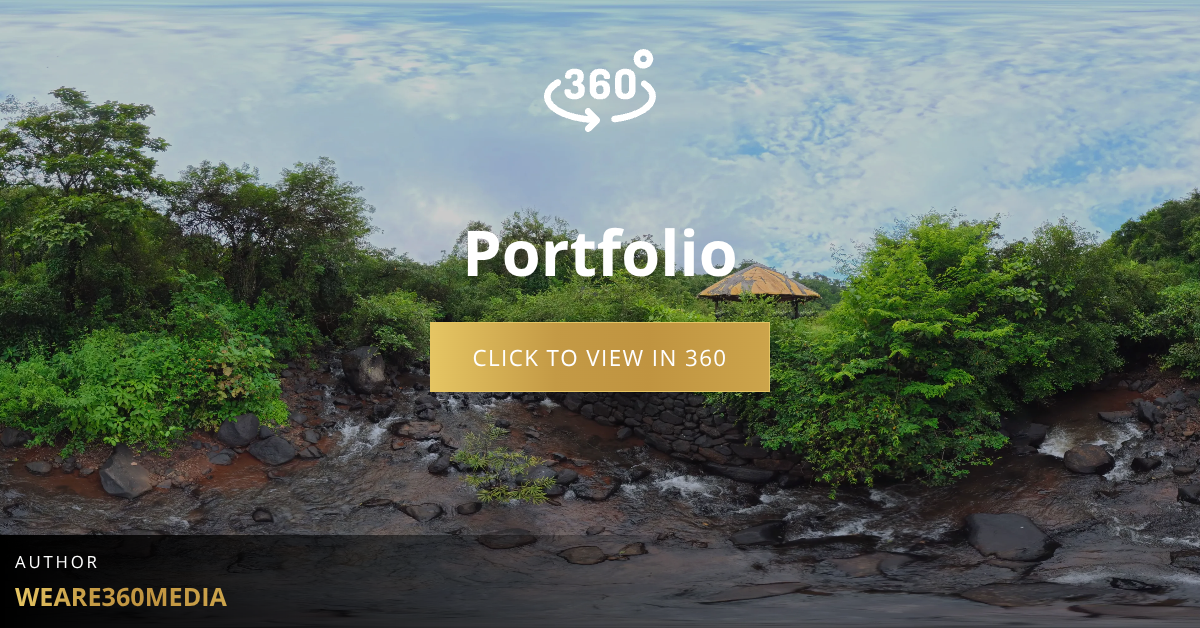
Portfolio
WeAre360 Media is a premier immersive technology agency delivering high-fidelity 360° Virtual Tours and Professional Digital Assets across India. We empower businesses in Hospitality, Retail, Manufacturing, and Education to bridge the gap between digital discovery and physical reality. By transforming standard online listings into interactive, 24/7 walkthroughs, we significantly boost customer confidence and local search visibility on Google Maps. Our mission is to turn passive viewers into active visitors through cutting-edge, white-labeled immersive media. Don’t just show your space. Let them experience it.
🌐 weare360.media
✉️ info@weare360.media
📞 +91 8055-000-360
- 23
- 0
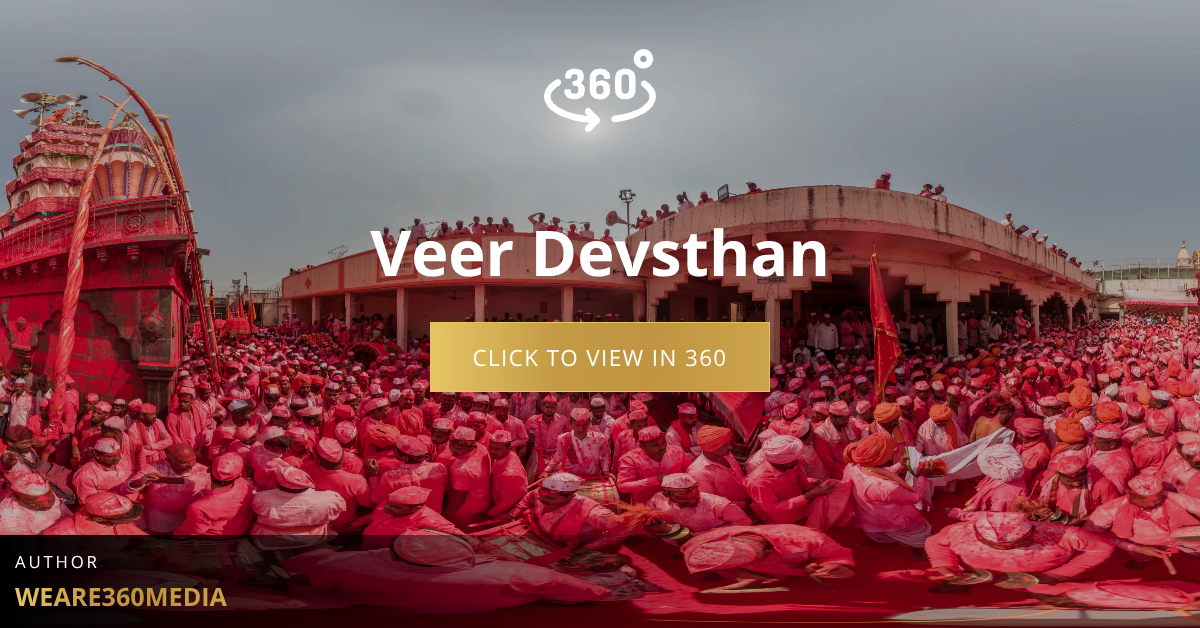
Veer Devsthan
Veer Devsthan
- 7
- 0
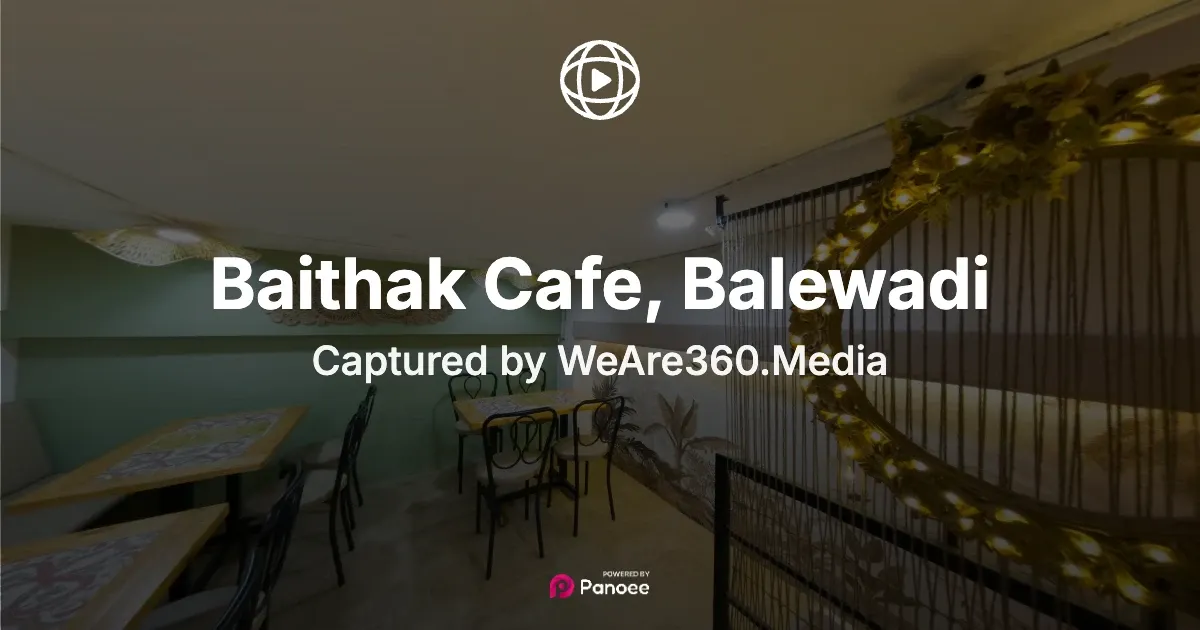
Baithak Cafe, Balewadi
Located in the bustling neighborhood of Balewadi, Pune, Baithack Cafe (Taste of Kulhad) is a vibrant, vegetarian-only hangout spot celebrated for its cozy ambiance and rich, aromatic beverages served in traditional clay kulhads. Perfect for casual get-togethers, remote work sessions, or late-night cravings, the cafe's diverse menu pairs specialized options like Saffron and Masala Chai, thick shakes, and signature cold coffees with a mouth-watering array of quick bites, including custom pizzas, paninis, and specialized Maggi bowls. Step inside our immersive virtual tour to explore the warm, lit outdoor seating area and distinctively designed indoor spaces, allowing you to preview the perfect table for your next coffee date or evening catching up with friends.
- 9
- 0
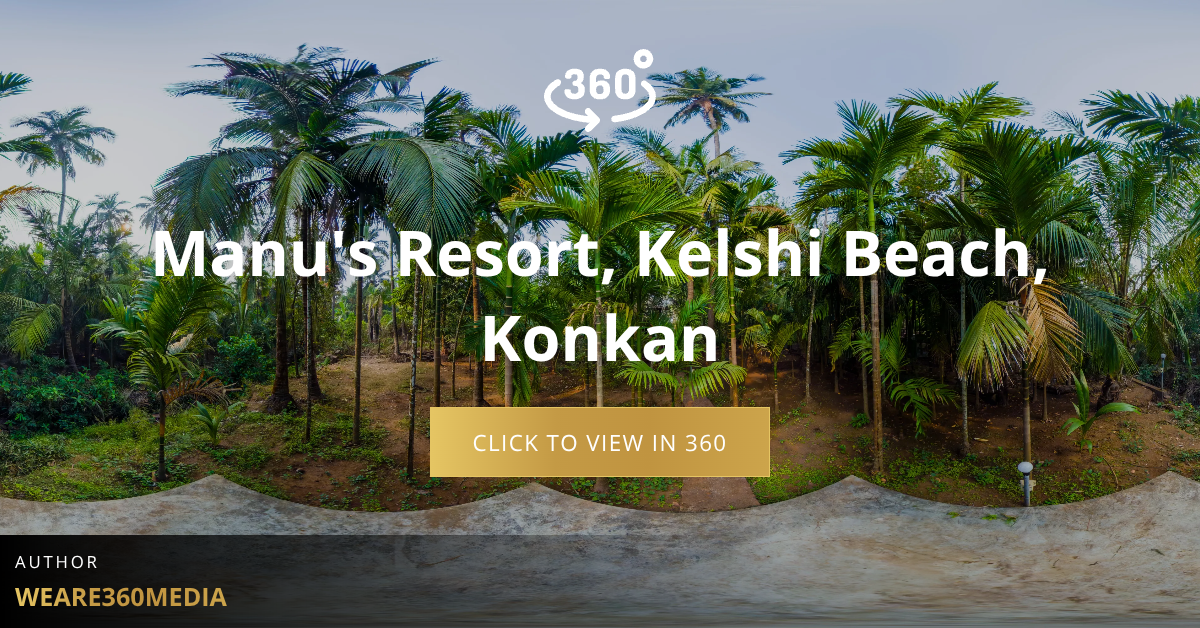
Manu's Resort, Kelshi Beach, Konkan
Immerse yourself in the rustic charm of the Konkan coast with this virtual tour of Manu’s Resort, a serene hideaway nestled just moments from the pristine Kelshi Beach. Navigate through a lush canopy of coconut and betel nut groves to explore the resort’s cozy, red-roofed cottages and breezy open-air spaces that perfectly capture the essence of a traditional coastal stay. From the inviting dining area—famous for its authentic Konkani cuisine—to the peaceful garden pathways, every 360-degree view invites you to experience the tranquility of this seaside retreat. Whether you are looking for a quiet family getaway or a connection with nature, this digital walkthrough brings the soothing rhythm of Kelshi right to your screen.
- 15
- 0
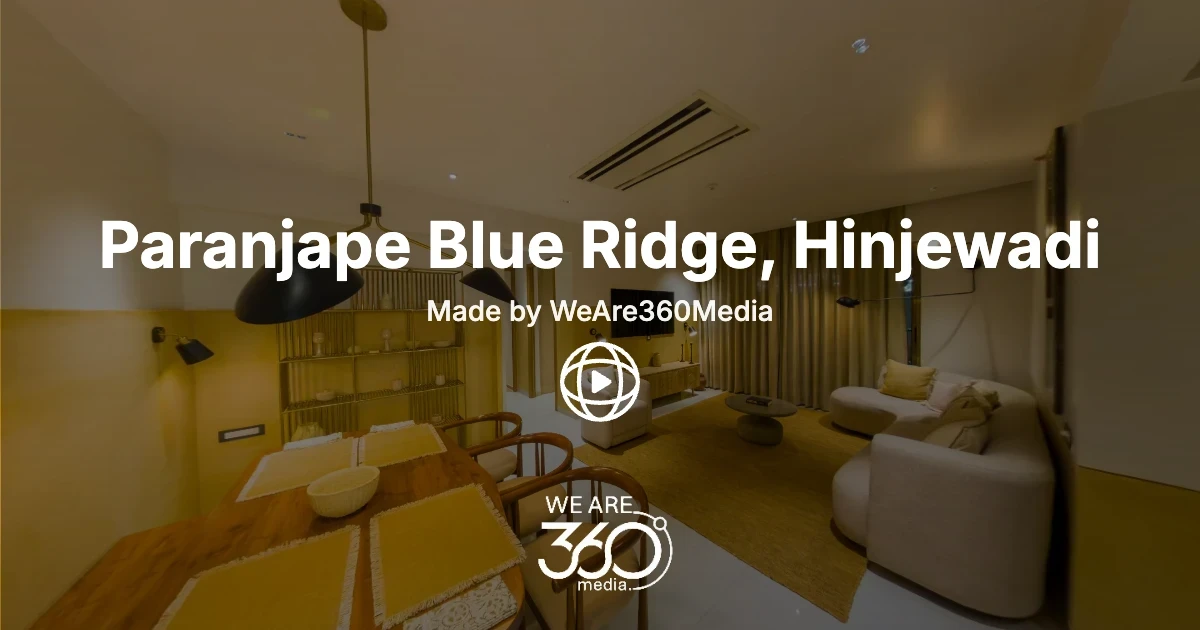
Paranjape Blue Ridge, Hinjewadi
Virtual Tour: Captured and Designed by WeAre360 Media
Contact: 8055000360
- 17
- 0
Property for Sale, Hinjewadi
Property for Sale, Hinjewadi
- 19
- 0
WeAre360 Media
Sukhwani Panorama, Pune, MH